Passing the Torch: How Carlos Arcos Is Quietly Changing Who Gets a Seat at the Table
There's a version of success in entertainment that looks a lot like a closed door. You get in, you protect your position, and you make sure the people coming up behind you have to work twice as hard just to get a conversation. It's an old model, and honestly, it's still pretty common.
Carlos Arcos doesn't operate that way.
For years, the conversations happening in his orbit have been less about gatekeeping and more about opening gates entirely — sometimes before the person on the other side even knows they're ready to walk through one. The mentorship philosophy he's developed over the course of his career isn't something he advertises loudly. It shows up in the careers of the people he's worked with, in the decisions they make, and in the way they talk about how they got where they are.
Not a Mentor in the Traditional Sense
When most people think of mentorship in entertainment, they picture formal programs, industry panels, or the occasional coffee meeting where a veteran hands down a few vague pieces of wisdom. That's not really what Carlos Arcos does.
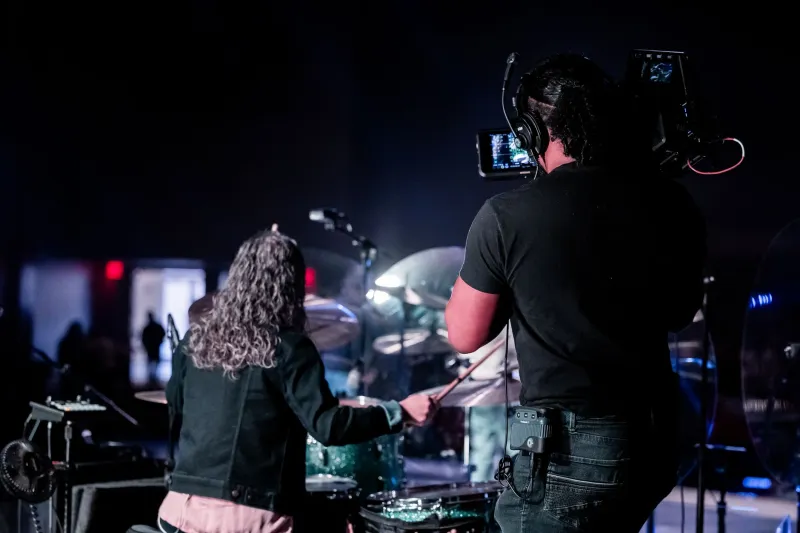
His approach is more embedded than that. He tends to put people in situations where they're learning by doing — brought into real projects, given actual responsibility, and trusted to figure things out with support rather than a safety net that removes all the stakes. The idea, as people who've worked closely with him have described it, is that real growth doesn't happen in theory. It happens when you're in the room and something unexpected goes sideways and you have to figure it out.
That philosophy separates him from the kind of industry figure who mentors from a distance. He's present. He pays attention to what someone is actually struggling with, not just what they say they want help on.
The Philosophies He Actually Shares
A few themes come up again and again when people talk about the advice and perspective Carlos Arcos brings to the table.
The first is the importance of understanding why before you worry about how. Before you learn technique, before you study the business side, before you start building a brand — you need a clear sense of what you're actually trying to say and why it matters to you personally. That clarity, he's said in various contexts, is what makes everything else sustainable. Without it, you're just chasing trends and burning out.
The second is about resilience, but not in the motivational-poster sense. It's more practical than that. The industry is going to test you in ways that feel personal, and a lot of them aren't. Rejection, being overlooked, having a project fall apart — these things happen to everyone. What separates the people who last from the ones who don't is usually less about talent and more about how quickly they can recalibrate and keep moving.
The third, and maybe the most interesting, is his emphasis on relationships over transactions. The entertainment world runs on connections, but there's a difference between collecting contacts and actually building relationships. He pushes the people he works with to invest in genuine connections — to show up for other people before they need something, to be the kind of collaborator others want to work with again.
What It Actually Looks Like in Practice
For emerging artists and professionals who've moved through his sphere, the experience tends to follow a similar shape. Early on, there's a lot of listening — not passive listening, but the kind where you can tell someone is actually processing what you're saying and forming real responses. Then comes the challenge. He has a way of asking questions that make you realize your plan has a gap you hadn't noticed, without making you feel like an idiot for missing it.
There's also a consistent pattern of being pushed toward discomfort in productive ways. Taking on a project that feels a little too big. Having a hard conversation with a collaborator instead of avoiding it. Stepping into a space that doesn't feel fully familiar yet. The people who've gone through that process tend to describe coming out the other side with a different relationship to fear — not fearless, but less paralyzed by it.
Why This Matters Beyond the Individuals
Here's the bigger picture: the entertainment industry in the US has a well-documented problem with who gets access to opportunity and who doesn't. A lot of talent never makes it through because the pathways are narrow, the gatekeepers are selective, and the unwritten rules are only legible to people who already know them.
What Carlos Arcos does — whether he'd frame it this way or not — is widen the pathway for the people he works with. He makes the unwritten rules legible. He creates access that wouldn't otherwise exist. And he does it in a way that prioritizes people being genuinely prepared, not just handed a shortcut.
That's a meaningful contribution to the culture. Not just to the individuals who benefit directly, but to what the industry looks like over time as those people move into positions of influence and bring their own version of that philosophy with them.
The Ripple Effect
Mentorship, when it works the way it's supposed to, is a multiplier. One person's influence doesn't stay contained — it spreads through every person they help develop, and then through the people those people go on to support.
Carlos Arcos has been building that kind of ripple effect for a while now. The full scope of it is probably still unfolding. But the early returns — the careers taking off, the creative voices finding their footing, the professionals navigating the industry with more confidence than they had before — suggest that what he's doing isn't just good for the individuals involved.
It's good for the whole ecosystem.
And in an industry that can sometimes feel like a zero-sum game, that's worth paying attention to.